
Behind the Logo: The Reality of Pro Staff Life
Written by: Ryan Reading, Fall Obsession Pro Staff
Every winter, when the season winds down, I start getting the same questions: How do you get on a pro staff? What does it take? Is it really as good as it looks online? Most people see the photos—the logos, the gear, the big deer—and assume it’s easy. Free products. A couple of posts. A few hunts. But the reality behind that logo is very different, and more hunters deserve to hear the honest version.
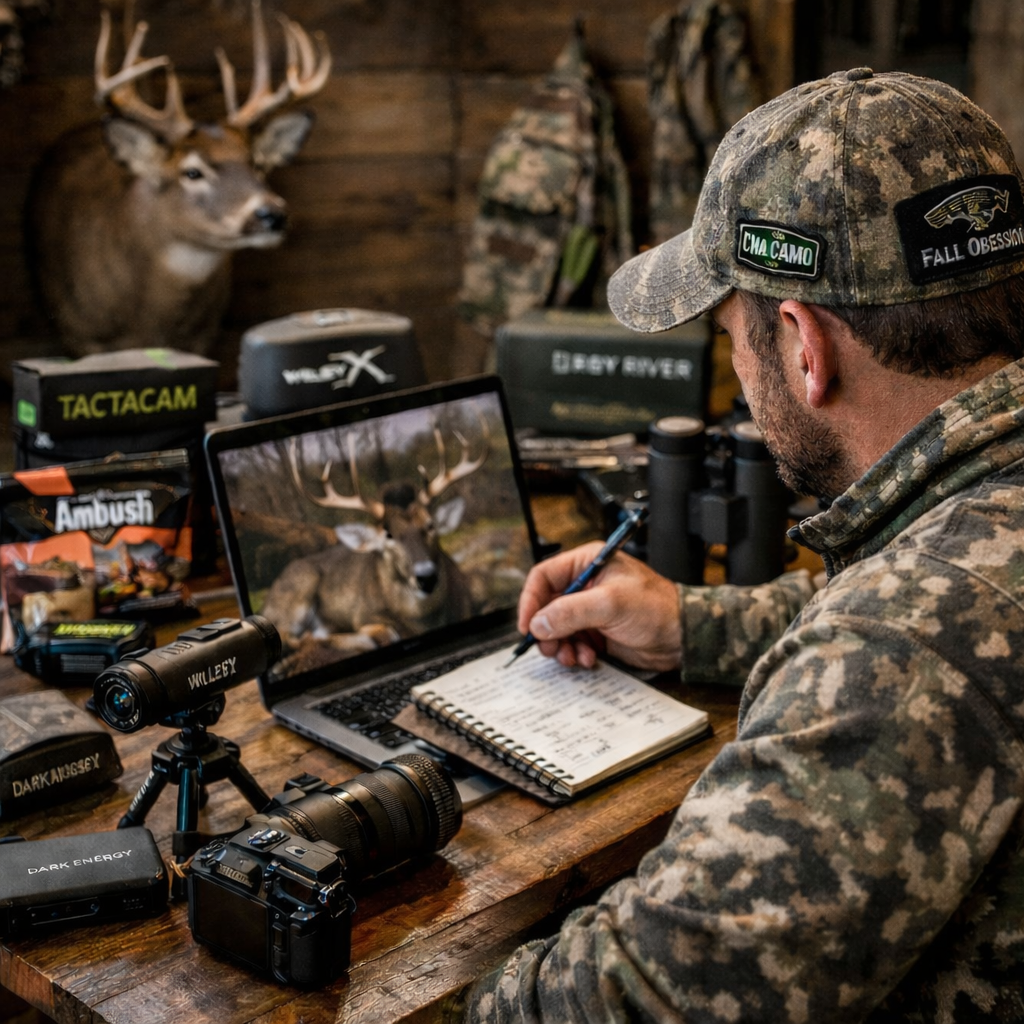
Before I joined a team, I thought pro staff life was mostly about recognition—a sign that you’d reached a certain level. And yes, there is pride in representing a respected brand. But what I learned quickly is that the logo on your hat is the smallest part of the job. What matters is the work behind it: the consistency, the effort, the responsibility. You’re no longer hunting just for yourself. You’re representing a brand, a community, and a standard.
That means how you hunt matters. Ethical shots matter. Honest storytelling matters. Respect for the animal and the land matters. Every photo you post and every story you tell reflects on the team behind you. There’s no room for shortcuts, exaggeration, or chasing attention at the cost of integrity. If you want to wear a logo, you have to stand for what it represents.
One of the biggest misconceptions is that pro staff life is just free gear and hunting. The truth is, content is the backbone of any legitimate team. Photos. Videos. Articles. Product feedback. Social posts. Behind every clean harvest photo is hours of scouting, trail camera work, planning sits, failed hunts, recovery efforts, editing, and writing. Most teams expect two to three pieces of quality content every month. That’s a real commitment. There are deadlines and expectations. You quickly learn this isn’t casual posting—it’s work layered on top of an already demanding season.
Planning hunts changes, too. You start thinking ahead: What content do we need this month? What conditions make sense for testing a product? How can this sit provide value to other hunters? You stop hunting randomly and start hunting with purpose. Every camera location, stand choice, and observation becomes part of a bigger plan. In the process, you become a sharper, more disciplined hunter.
There are also team meetings, group chats, product discussions, brand updates, and strategy conversations. At times, it feels like a second job. But what you gain in return is invaluable—a group of hunters who live the same lifestyle, share knowledge, and push each other to be better. That support system is something you don’t get hunting alone.
That’s one of the reasons I’m proud to be part of Fall Obsession. From the start, it felt like a family, not just a logo. Real hunters. Real passion. Real expectations. Annual team hunts build friendships beyond social media—campfire conversations, shared lessons, shared laughs, and shared struggles. You learn just as much from your teammates as you do from the woods.
Another side people don’t always see is the strength of brand partnerships behind the scenes. Fall Obsession has built relationships with serious names in the industry: Tactacam, Hoot Camo, Prime Bows, Bear River, Wiley X, Dark Energy, Ambush Snack Bags, CarbonTV, and more. Those partnerships don’t happen by accident. They’re earned through quality content, professional representation, and real value. Being part of that network opens doors, builds experience, and gives you a deeper understanding of how the industry works.
There’s also pressure that comes with the role. Sometimes the woods go quiet. Weather doesn’t cooperate. Deer disappear. Tags don’t get filled. But the content still has to be produced. That’s when you learn to adapt. Maybe the story is about scouting. Maybe it’s a failed sit and the lesson it taught. Maybe it’s gear testing or offseason preparation. You learn that success isn’t measured only in inches of antler—it’s measured in consistency and effort.

Product feedback is another critical part of pro staff life. Teams are often the first to test new gear in real conditions. That means reporting issues, suggesting improvements, and giving honest input. When companies listen to their field staff, products get better. Being part of that process gives you a sense of ownership—you’re not just using equipment, you’re helping shape it.
So what does it really take to earn a spot on a pro staff? Consistency. Work ethic. Authenticity. Passion for the lifestyle. Respect for the outdoors. A willingness to learn and contribute. Big bucks help, but they’re not the deciding factor. Anyone can get lucky once. Not everyone can show up year after year, produce quality content, represent a brand professionally, and stay true to the sport.
If you’re reading this in the offseason and wondering whether pro staff life is for you, ask yourself a simple question: Are you willing to put in the work when nobody is watching? Are you willing to be held to a higher standard? Are you willing to give back to the hunting community instead of just taking from it? If the answer is yes, start building your story now. Share real experiences. Teach what you’ve learned. Be honest. Be consistent. The right teams notice.
Behind every logo is work. Behind every team is commitment. Behind every successful season is preparation. Pro staff life isn’t a shortcut—it’s a responsibility. And if you’re willing to earn it, the reward is being part of something bigger than yourself, surrounded by people who live for the same sunrise in the woods that you do.