
Birds of a Feather

Written By: Ryan Reading, Fall Obsession Pro Staff
This January wasn’t mild.
It wasn’t one of those winters where you get a dusting and talk about how things “aren’t like they used to be.” The temperatures went negative. The kind of cold that locks up gates, crusts snow hard enough to cut your boots, and makes you question how anything with a heartbeat survives outside. I stepped out one morning before daylight just to feel it. The air burned in my lungs. The snow squeaked under my boots. There wasn’t a deer track fresh in the yard from the night before. Everything felt shut down. But it wasn’t.
By the time I came back inside and poured a cup of coffee, the feeder was already active. Hunters are always assessing. It doesn’t turn off when season ends. We don’t just look at deer. We look at everything. Wind direction. Tracks. Squirrels barking. Crows lifting off a ridge. Movement patterns. Reaction timing. Wildlife tells a story if you’re paying attention. And that morning, the birds were telling one.
The first chickadee hit the feeder fast — in and out. Then another. Then three at once. No hanging around. No wasted time. Straight from the hemlocks to the seed and back again. Short flights. Tight cover. Direct routes. They weren’t casually feeding. They were yarded up.
We use that word for deer when snow pushes them into predictable winter pockets. Thick bedding. Short travel. Reliable food. What I was watching was the same strategy — just smaller wings.
Small birds lose serious body weight overnight in extreme cold. Negative temperatures mean one thing: refuel immediately or fall behind. A chickadee can make dozens of trips a day to a food source. Every calorie matters. Every second exposed is risk. The cardinals showed up next.
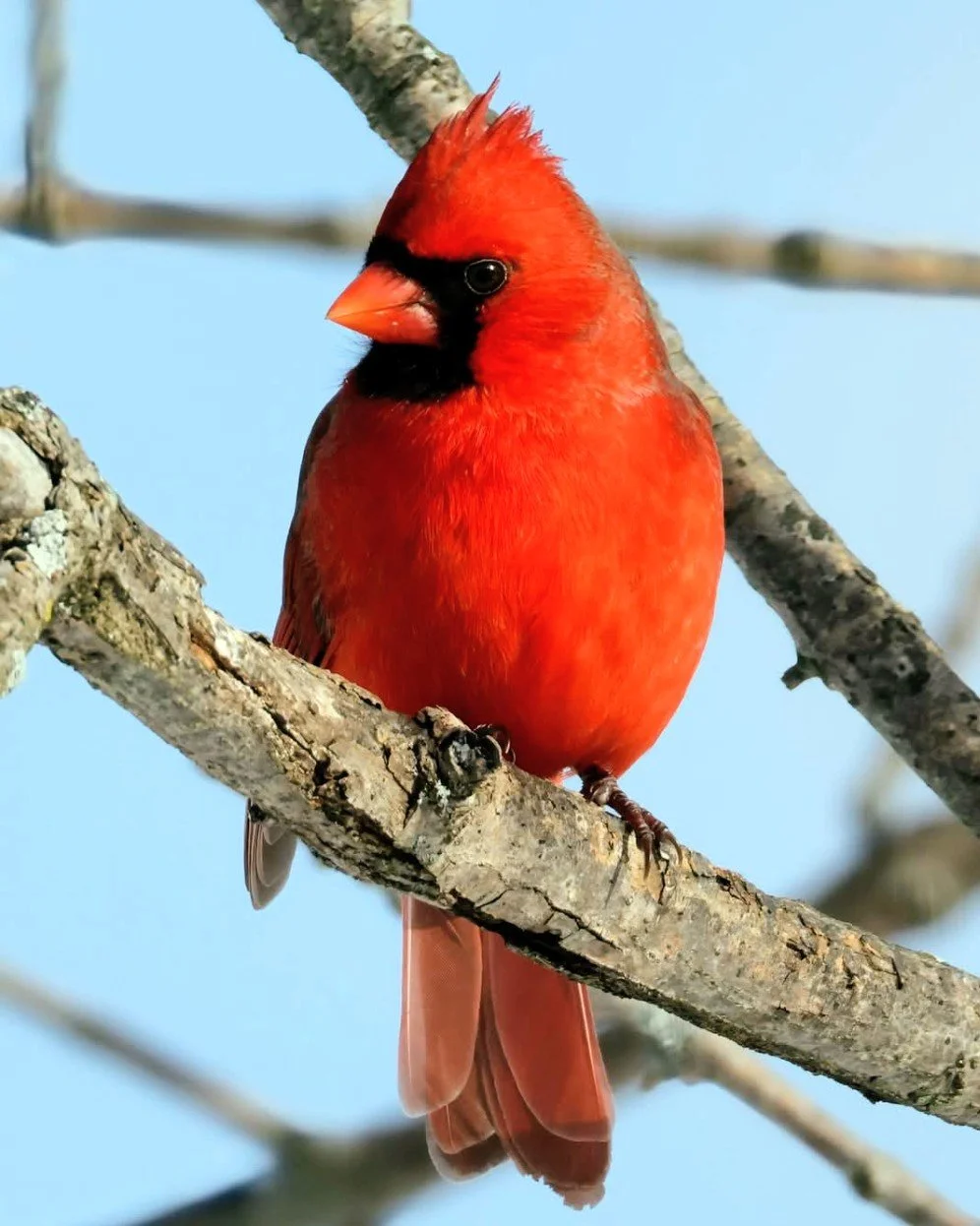
The male stood out hard against the white snow — no hiding him. But the female blended into the brush pile so clean you’d miss her if you blinked. Cardinals don’t migrate south. They take the hit. They roost in dense evergreens to block wind. They fluff their feathers to trap air and conserve heat. Once they trust a feeder, they’ll hit it at consistent times — morning and late afternoon — just like deer on a late-season plot.
Hunters should recognize that pattern instantly. Wildlife doesn’t move randomly in winter. It moves with purpose.
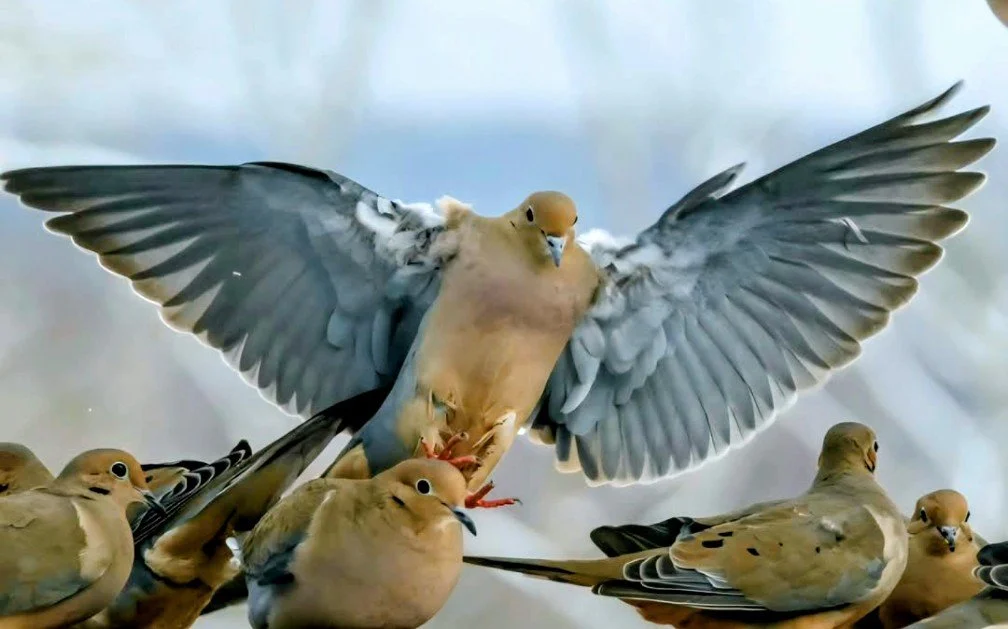
By mid-morning, mourning doves landed along the fence rail. Four of them. Puffed up, conserving heat. They fed shoulder to shoulder. Security in numbers. Heads up constantly. One lifts, they all lift. That awareness — that constant scanning — is something every predator understands too.
Around noon a shadow crossed the yard. Everything blew out. Feathers everywhere. Silence in less than a second. A hawk skimmed low over the snow, scanning for weakness. The feeder went empty instantly. Ten full minutes passed before a single bird cautiously returned. That’s pressure. And pressure changes behavior fast.
I’ve seen the same reaction in the woods when a mature buck senses something wrong. One wrong wind swirl. One metallic click. Movement shuts down. The woods don’t lie.
Blue jays came in later, loud and bold. They grabbed sunflower seeds and flew off to stash them. I walked out after they cleared and found seed hulls wedged into bark and under leaves. Cached. Stored. Insurance for later. Jays think ahead. They don’t rely on one moment. They plan for what’s coming. Winter rewards preparation.
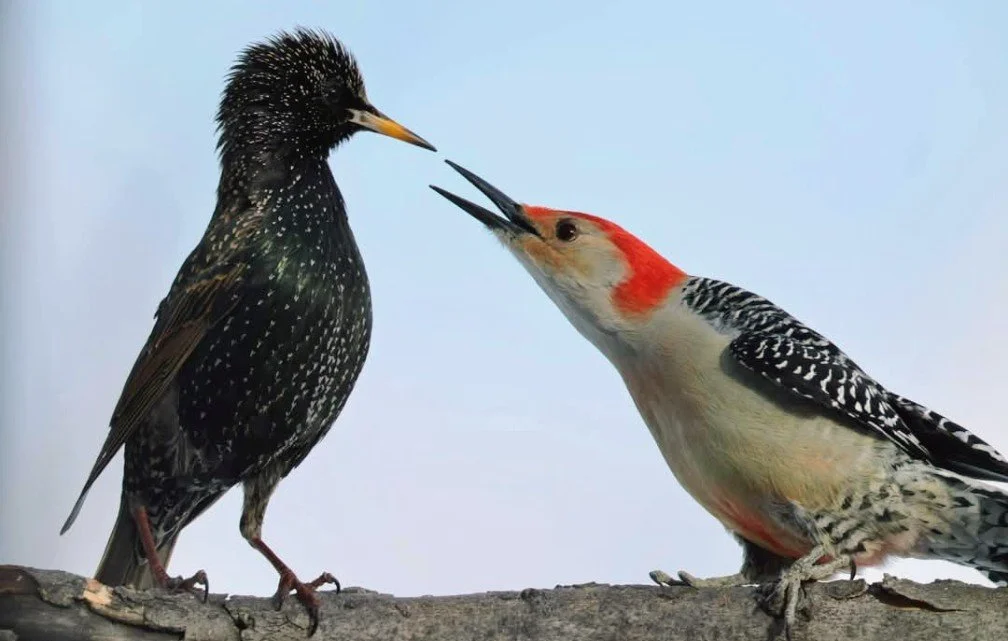
Woodpeckers worked the maple trunk near the driveway like they were on a job site. Steady. Focused. Hammering frozen bark to pull insects hiding beneath. Built for it. Reinforced skull. Strong neck muscles. Designed to function in conditions that would shut most creatures down.
Even starlings — which a lot of guys don’t care for — move like a coordinated unit. When they drop in, it’s fast feeding, quick exits, no wasted motion. Efficiency. That’s the common thread.
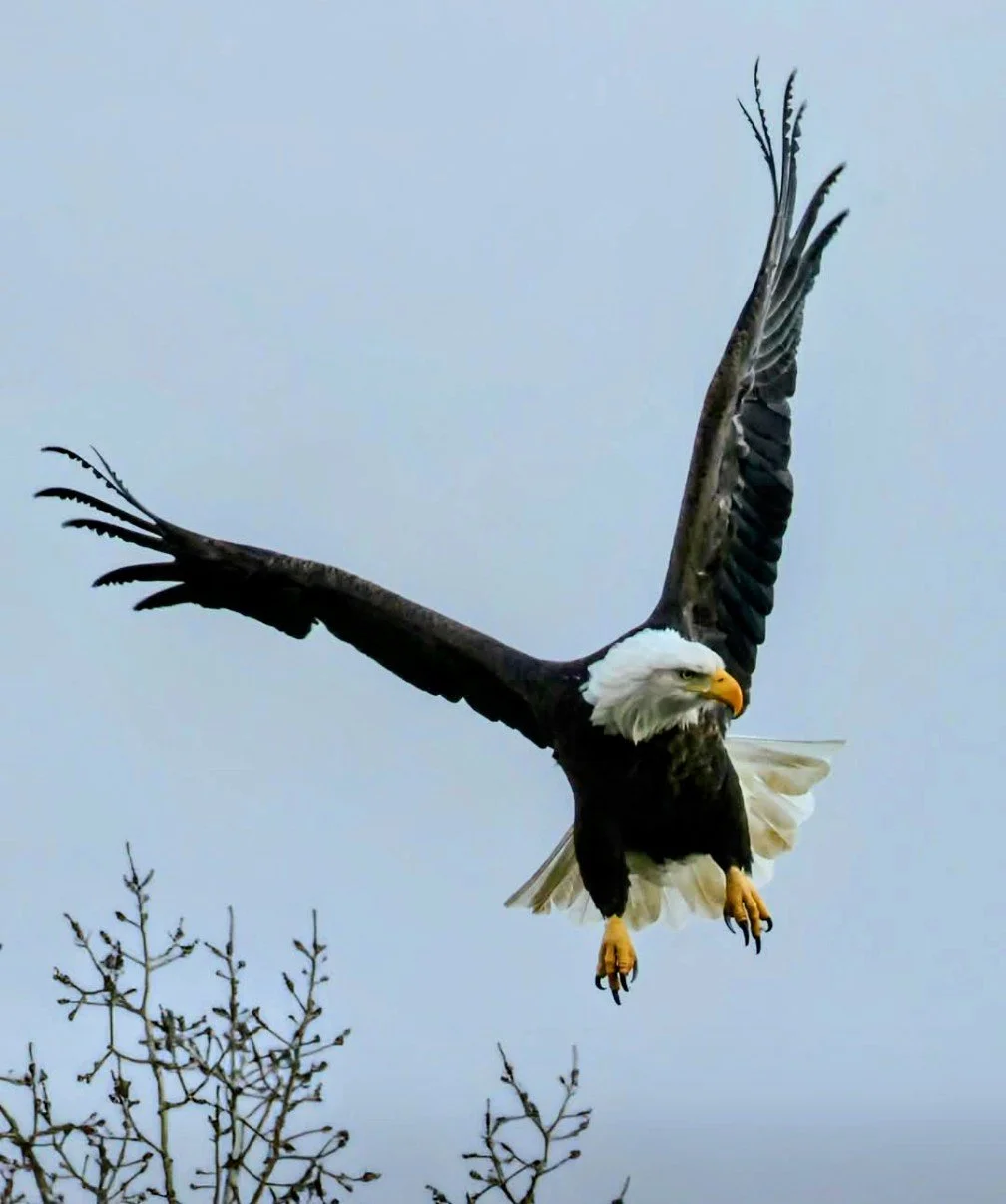
Later that week I watched a bald eagle drift over the treeline near the lake. No frantic wing beats. Just riding wind. Conserving energy. Waiting. Eagles don’t waste calories chasing healthy prey in negative temps. They look for opportunity. Carrion. Fish near open water. Weakness. The more I watched, the clearer it became. Winter doesn’t slow wildlife. It sharpens it.
Hunters talk about reading sign, but sign isn’t just tracks in mud. It’s behavior. It’s timing. It’s reaction speed. It’s how animals adjust when food is scarce and exposure is dangerous. The birds showed me something this January. They shrink their world in extreme cold. Tight cover. Predictable groceries. Short travel routes. They don’t wander just because they feel like it. They operate with discipline.
Sound familiar? That’s late-season deer movement in a nutshell.
If you’re scouting winter ground in Chautauqua County, pay attention to where birds concentrate. Thick cedars. Hemlock pockets. Brushy shelterbelts. Edges that block lake wind. Those same spots often hold deer yards and travel corridors. Birds of a feather flock together — but not because it looks nice. They gather because survival odds increase. More eyes. Shared awareness. Quicker reaction to danger.
There’s nothing soft about negative temperatures. And there’s nothing soft about the wildlife that survives it.
Standing at that window this January, watching those birds grind through cold that makes most people stay inside, reminded me of something simple. Nature doesn’t shut down. It adapts. And if you’re the kind of hunter who’s always assessing — always reading — there’s a lesson happening in your backyard every single day. Even when the thermometer says nothing should be alive.