
Reading October: More Than a Calendar
Written by: Ryan Reading, Fall Obsession Pro Staff
October is probably one of my favorite months to hunt whitetails, but it can also be one of the most misunderstood. Every year we hear the same things. This date is supposed to be good. This week is when the bucks start moving. This cold front is going to turn everything on. Then November gets closer and everyone starts talking about the rut like somebody flipped a switch.
After hunting whitetails for as long as I have, I have learned that I do not put nearly as much faith in a date on the calendar as I do in what the deer are actually showing me. October is a month where things are constantly changing. What I see during the first week can be completely different from what I see during the third week, and by the time we get into the final days of the month, I may be hunting the same property completely differently than I was when the season opened.
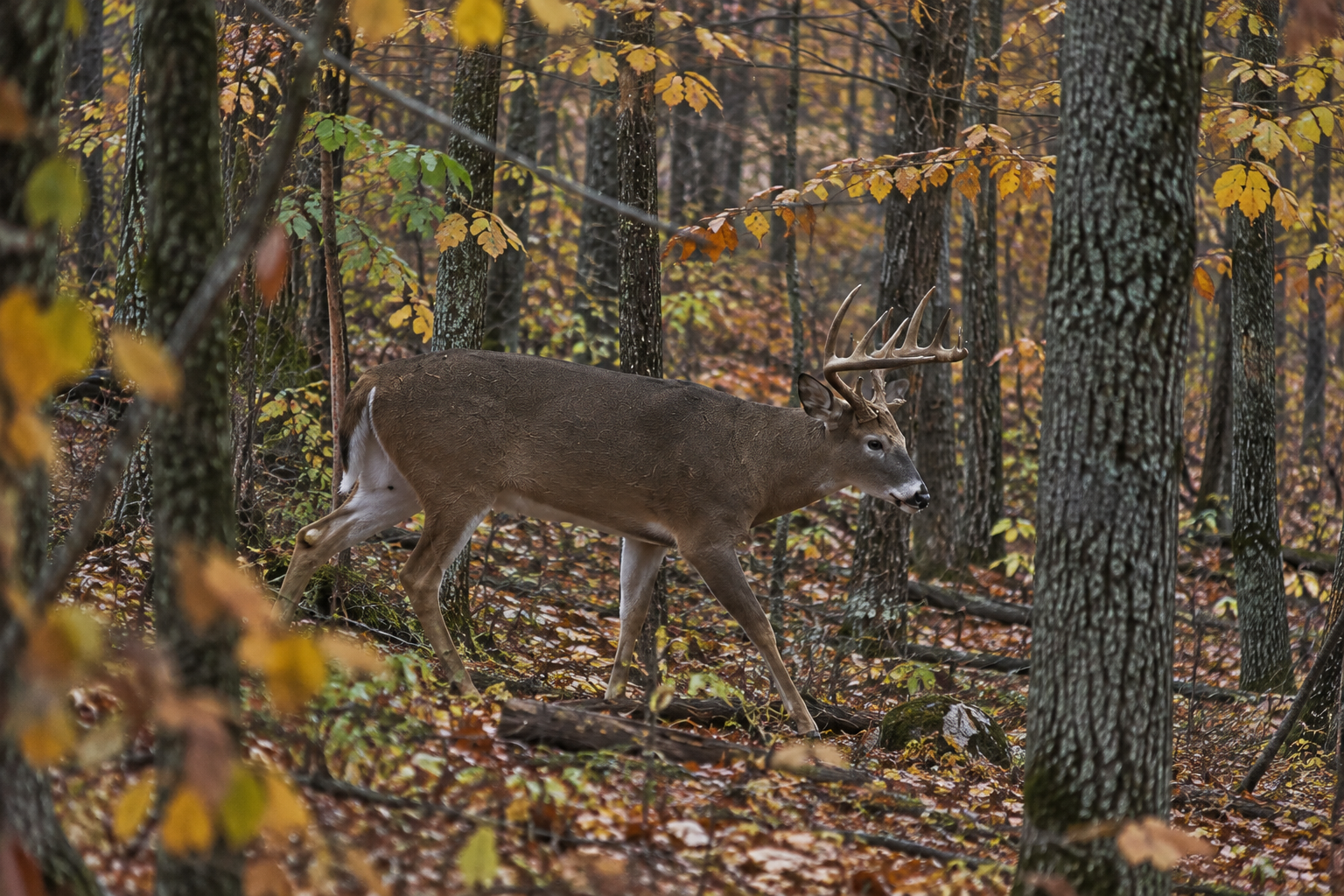
I hunt in the Northeast, so obviously what I see here is not going to happen exactly the same way for somebody hunting Iowa, Georgia, Texas or another part of the country. That is actually part of what I want people to take away from this. I do not want somebody reading this and thinking that because I start seeing something happen on October 20, they should expect the exact same thing where they hunt. I want hunters to learn what the changes look like in their own area and start using those observations to make better decisions.
Early October is a perfect example. A lot of hunters are still trying to hunt the deer they watched all summer. They had a buck coming into a field every evening in August. They had him on camera throughout September. Then October arrives and suddenly he disappears. The first thought is usually that somebody killed him or he left the property. Before I assume either one, I want to know what changed.
Did the food source change? Did acorns start dropping? Did a neighboring farmer cut a crop? Did hunting pressure increase? Did that buck change bedding areas? Did the bachelor group he was traveling with break apart? There are a lot of reasons why a buck can suddenly disappear from a camera or food source. Sometimes he may only be a couple hundred yards away doing something completely different from what he was doing a week earlier.
That is one of the biggest things I think hunters overlook during October. We become so focused on where a deer was that we fail to figure out where he went. If I have pictures of a mature buck throughout September and suddenly those pictures stop, I do not immediately consider that bad news. I start looking at what changed around him and whether another part of the property is beginning to make more sense.
Early October
During the beginning of October, food is one of the first things I pay attention to. Where I hunt, there can be a tremendous amount happening in a short period of time. Acorns are dropping, apples can still be available, agricultural fields are changing and crops are being harvested. A food source that was getting hammered a week ago can suddenly seem almost empty.
This is where scouting becomes important, but I do not necessarily mean walking all over the property looking for deer. Sometimes it is simply paying attention to what is available. If deer stop showing up at a field, find out what food became available somewhere else. If you are hunting hardwoods, look at which trees are actually producing. Just because you are sitting in an oak flat does not mean the deer are feeding underneath every oak tree in it.
I think hunters sometimes look at food sources too broadly. We say the deer are eating acorns, but which acorns and where? We say they are using a field, but which part of that field are they entering? We say they are feeding on apples, but are there still apples hitting the ground? Once you start getting more specific with those questions, you can narrow down where the deer actually want to be instead of hunting an area simply because they were there last week.
Early October can also be a great time to capitalize on a mature buck that is still somewhat predictable. If he has not completely changed his routine, I would rather hunt the pattern he is showing me than try to force him into what I think an October buck should be doing. If he is still traveling between bedding and food and I can find a way to get into position without educating him, that is the information I am going to trust.
At the same time, I am careful about how aggressively I hunt certain areas this early. One of the easiest ways to ruin good information is to react to it too quickly. Getting a daylight picture of a mature buck does not automatically mean I need to climb into a tree fifty yards from that camera the next afternoon. I want to understand why he was there, where he likely came from and whether I can hunt that location without letting him know I am there.
As we get farther into October, I start paying attention to more than whether a buck showed up on a trail camera. I want to know what time he was there and which direction he was traveling. I want to know what the wind was doing and where the does are spending their time. I want to know what food sources are still being used and which ones have dried up. More than anything, I want to compare what I am seeing now to what I was seeing a week or two earlier.
One picture of a mature buck is exciting, but one picture does not always tell me very much. Give me several pictures over a week or two and I can start putting something together. Maybe that buck was showing up at 11:30 at night during the first week of October. Several days later he is there at 9:00. Then another camera closer to where I believe he is bedding catches him twenty minutes before dark. Now I have something worth paying attention to.
Those little changes can tell you a lot if you are actually looking for them. We scroll through hundreds of trail camera pictures and naturally the first thing we look at is the rack. I do it too. But after that, look at everything else. Look at the time. Look at the direction he is traveling. Look at how often he is showing up. Look at what other deer are around him. Look at the weather and the wind. Then compare that picture to the ones you got several days earlier.
Direction of travel is something I think deserves more attention. If a buck continually comes through one camera heading in the same direction during the evening and the opposite direction in the morning, I can start making an educated guess about what is happening. Add another camera farther along that route and I may be able to tighten that pattern considerably.
That is why I like using multiple cameras to tell me what is happening across a property instead of treating every camera location like its own little hunting spot. One camera gives me one piece of the property. Several cameras, combined with what I already know about the terrain, can start showing me how a deer is actually using it.
The Middle of October
The middle of October is where things start getting interesting to me because you begin seeing changes in buck behavior. Rubs become more noticeable. Scrapes begin showing up or getting more attention. Bucks that tolerated each other during the summer are no longer necessarily traveling together, and you may start getting pictures of deer you have not seen before.
This is also where hunters can get themselves into trouble because we find a big scrape and immediately want to hang a stand over it. I certainly pay attention to scrapes, but I am usually more interested in what that scrape tells me about travel than I am in the scrape itself.
Where is it located? Is it along a field edge where a buck can visit it after dark without exposing himself during daylight, or is it tucked back inside cover between bedding and feeding areas? Are there several scrapes along the same route? Which direction are the tracks going? Is that scrape being worked once every few days or does it seem like several deer are using it?
A scrape inside cover connected to several trails may tell me much more than a giant scrape sitting on the edge of an open field. I am trying to understand why the deer are traveling through that location instead of assuming the scrape itself is the destination.
This is also the point in October when I really start paying attention to does. Hunters spend so much time thinking about bucks that we sometimes overlook the animals that are going to have a major influence on where those bucks travel once breeding activity picks up.
One thing I particularly watch for is a doe that suddenly seems to be by herself. Maybe you have been watching the same group of does using a food source or bedding area and then you start seeing one of them separated from the others. You may find her bedding alone along a ridge, down in a bottom or tucked into an area where you normally do not see a lone doe spending much time. I pay very close attention when I see that happening, especially as October moves along.
A lone doe does not automatically mean she is in estrus, but it is something worth watching. In my experience, some of those first does beginning to approach estrus will separate from their normal groups, and bucks can start showing a lot more interest in where that doe is spending her time. If I repeatedly see a lone doe bedding in one particular area and then mature bucks begin showing up around her, that area immediately becomes more interesting to me.
That is another reason I want hunters watching the does instead of staring only at buck pictures. Sometimes the doe tells you where the buck is going to be before the buck ever shows up.
I also start watching for bucks that seem to sweep through an entire area. You might have a buck that you have not seen for several days suddenly show up on October 9 or October 12 and hit multiple cameras across the property in a relatively short period of time. He may show up once and then disappear again.
Do not automatically dismiss that as a random picture.
Watch the route he took. A buck moving through several areas can be checking what does are there and gathering information through scent. He may travel the downwind side of bedding cover, pass through areas where doe groups spend time and continue moving. He does not have to walk directly into every bedding area to know which deer have been there.
That can start happening before what most hunters would consider the rut. It does not mean every buck moving across a property on October 10 is searching for a doe that is ready to breed. What it does mean is that I am paying attention when a buck suddenly covers ground differently than he normally does.
If you have cameras spread across a property, this is where they can become extremely useful. Maybe he hits one camera at 2:00 in the morning, another camera several hundred yards away forty minutes later and then another camera on the opposite side of the property before daylight. Instead of looking at those as three separate pictures, look at the route. Look at where the doe bedding areas are in relation to that route. Look at the wind he had while traveling it.
Now you may be getting a glimpse into how that buck checks the property.
I want to know where groups of does are bedding, but I also want to know when one of those does starts behaving differently. I want to know which food sources they prefer and which trails they consistently use. Those areas might not be where my target buck is spending most of his time right now, but they can become increasingly important as October continues.
If you have several doe bedding areas on a property, look at how a buck could travel between them. Look for terrain features that allow him to move from one area to another while staying in cover and using the wind. Creek crossings, saddles, benches, points, thick edges and trail intersections can all become important. Sometimes the best stand is not directly over the bedding area or food source. It is somewhere along the route connecting them.
Something else I think gets overlooked is how different one mature buck can be from another. We like to talk about deer behavior as though every buck starts doing the same thing when a certain date arrives. That has never been what I have seen.
One buck may start showing up more during daylight while another stays almost completely nocturnal. One may work scrapes constantly while another barely seems interested in them. Some bucks seem to tolerate cameras while others seem to avoid certain camera locations or approach them differently.
That is why learning an individual deer can be so valuable. If I have watched a buck for several months or several seasons, I want to know what is normal for that particular deer. If he normally appears every three or four days and suddenly I am seeing him every day, I pay attention. If he normally travels one trail and suddenly begins using another, I want to figure out why. If most of my pictures have been in the middle of the night and suddenly he appears thirty minutes before dark, that gets my attention too.
You have to compare what the deer is doing now with what you already know about him. What might be normal behavior for one buck could be a major change for another. Your buddy might be getting daylight pictures every day while your cameras seem dead. That does not necessarily mean something is wrong with your property. Different habitat, hunting pressure, food sources and individual deer can produce completely different results even within the same general area.
Hunting pressure has to be considered as part of that too. Deer hear trucks. They smell people. They encounter hunters walking to stands, and they notice when people begin entering areas that have been quiet for months. Sometimes a change in a buck's pattern has nothing to do with food or breeding activity. Sometimes we caused it ourselves.
This is particularly important on smaller properties and heavily hunted ground. If you continually enter the same way, hunt the same stand and leave your scent in the same places, deer can adjust. A mature buck does not necessarily have to leave the property to avoid you. He may only have to change his route enough that you stop seeing him.
Before I decide a buck left because a camera suddenly went quiet, I think about what has happened on the property. How did I access the stand? Where was the wind blowing? Did I cross a trail? Did I bump does on the way out? Did somebody begin hunting a neighboring property that had been quiet? Looking at what we did differently can sometimes help explain what the deer did differently.
The Final Part of October
Once we start getting into the final portion of October, I begin watching for several things to come together. I want to see whether daylight movement is increasing. I want to see bucks checking areas used by does more frequently. I want to see what is happening with scrapes and whether bucks are beginning to cover more ground.
This is where everything we watched earlier in the month starts becoming even more important. That lone doe you noticed bedding along a ridge may suddenly have a buck showing up nearby. That buck that made one big sweep through the property earlier in October may start making those trips more frequently. Another buck that you have never seen before may suddenly appear because his movements have expanded beyond the area where he spent most of September.
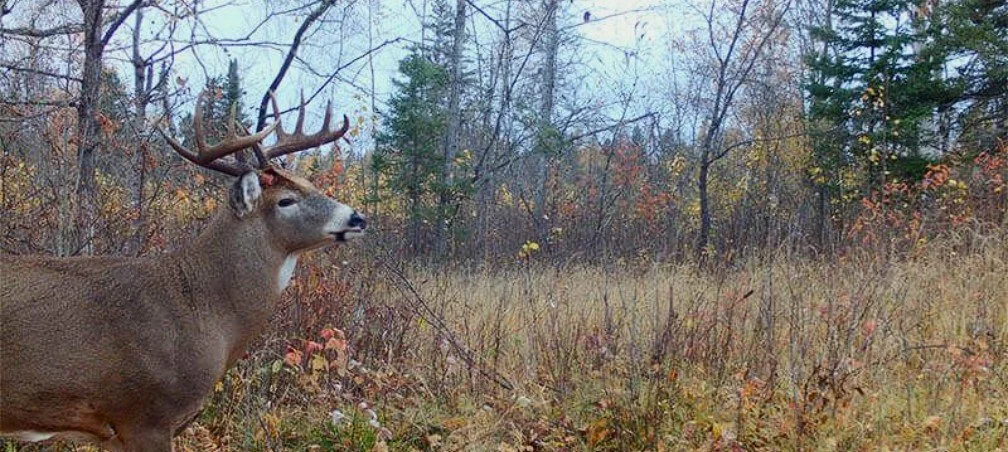
Trail camera history becomes extremely valuable because now I have something to compare against. If a buck that normally appears once every few days suddenly shows up on three different cameras in twenty four hours, I am going to pay attention to that. If another buck that has spent most of the season on one end of the property suddenly appears near a doe bedding area on the other side, I want to know what route he used to get there.
I especially pay attention when mature bucks start appearing in places where I normally do not see them. It is easy to look at those pictures as random encounters, but there was a reason that deer traveled through there. Maybe he was checking does. Maybe he was following another deer. Maybe his normal range is beginning to expand as breeding gets closer. I may not know the exact reason from one picture, but I can start looking at where he came from and where that route leads.
This is where knowing your terrain becomes incredibly important. A mature buck does not necessarily have to walk directly through the middle of a doe bedding area to know what is happening there. He can travel the downwind side or use an elevation change. He can follow a creek bottom or skirt the edge of thick cover. If you understand the terrain and know where the does are located, you can start identifying places where bucks can check several of those areas while still using the cover and wind to their advantage.
Weather is another part of this, especially as we get deeper into October. Cold fronts get talked about constantly, and weather can certainly affect when and where we see deer moving. I pay attention to temperature changes, wind, rain and major weather systems just like everybody else. I just do not want a weather app making every hunting decision for me.
A temperature drop might give me more confidence in a spot where I already know a buck is using the area. It might be enough to get him moving a little earlier in the evening. But cold weather is not going to make me forget everything else I have learned about that deer.
The same thing goes for wind. Hunters will say a particular wind is perfect for a stand, but I also want to think about why that wind might be good for the deer. Does it allow a buck to scent check a bedding area? Does it give him an advantage while traveling a particular edge? Can I hunt that same wind without my scent reaching the deer I expect to be there?
I want the weather to help me decide when to hunt a pattern I already understand. I do not want it to become the pattern.
When October Turns to November
The last several days of October are when all of the information you collected throughout the month can start becoming useful. Bucks that were fairly predictable may begin showing up in different areas. Daylight appearances can increase. New deer may start showing up on cameras, and a mature buck that has been extremely difficult to catch during the first part of the month may finally give you an opportunity.
This is where I am willing to become more aggressive if what I am seeing supports it. There is a difference between being aggressive and just going into an area because the calendar says the rut is getting close. I still want a reason to make the move.
If a mature buck begins showing during daylight and I have enough information to make an educated decision, I want to take advantage of it. Mature bucks do not give you unlimited opportunities. That change in movement might last several days or it might last one evening.
If your cameras and observations are telling you something is happening on October 27, I do not see a reason to wait until November 5 because somebody told you that is when the rut gets good. At the same time, if October 27 arrives and you are not seeing those changes yet, you do not have to force it. Keep paying attention to what is actually happening where you hunt.
This is also why I tell people not to try to hunt my October. Learn how to hunt yours. Where I hunt in the Northeast, October brings changing temperatures, hardwood food sources, agricultural changes and increasing breeding activity. Somebody hunting another part of the country may be dealing with completely different conditions. Even within the same state, two properties can hunt differently.
Instead of memorizing the dates when somebody tells you something should happen, learn what those changes look like where you hunt. Watch your food sources and pay attention to your does. Watch for the doe that separates from the group. Pay attention to the buck that suddenly covers the entire property when he normally stays in one area. Watch scrape activity. Record which direction bucks travel. Compare daylight appearances from one week to the next. Pay attention when a familiar buck disappears and when a buck you have never seen suddenly shows up.
You can even keep a simple record throughout October. Write down the date, time, direction of travel, weather conditions and what the deer was doing. It does not have to be complicated. After several weeks you may start noticing things that were easy to miss while simply scrolling through trail camera pictures.
That information becomes even more useful from year to year. Maybe you notice that mature bucks begin using a certain creek crossing every year during the final week of October. Maybe a particular saddle starts producing daylight pictures when bucks begin traveling between doe bedding areas. Maybe one camera that is quiet throughout September suddenly becomes one of your best cameras every October. Once you recognize something happening repeatedly, you have something you can use the following season.
The rut gets most of the attention in whitetail hunting because it is exciting. Bucks move more as breeding activity increases. They chase does. Deer show up in places where we have never seen them before, and sometimes a buck you did not even know existed walks past your stand. What I like about October is that you get to watch all of that start coming together.
A buck starts showing up a little earlier. A scrape begins getting worked more often. A doe that was part of a group starts bedding by herself. A buck that normally stays in a fairly small area suddenly sweeps through several doe areas in one night. A camera that was getting pictures every night suddenly goes quiet while another camera a few hundred yards away starts producing. When I start seeing several of those things happening around the same time, I know I need to start paying closer attention.
The more years I spend hunting whitetails, the more I find myself watching those details instead of waiting for somebody to tell me what day I need to be in the woods. I would rather make my decisions from what I am seeing on the property I am actually hunting.
By the time November arrives, I want to already know where the does are spending their time. I want to know if certain does have started separating from their normal groups. I want to know the major travel routes. I want to know which terrain features connect bedding areas and how deer use them with different winds. I want to understand how hunting pressure has affected the property, and if I am targeting a particular buck, I want to know as much about his normal behavior as I possibly can.
That is really the purpose behind paying attention throughout October. Do not spend the entire month waiting for November. Every trail camera picture, fresh rub, scrape, changing food source and deer you watch from the stand gives you something else to work with.
By the end of October, you should know more about the deer and the property than you did when the month started. If you do, when November finally gets here, you are not starting over and hoping the rut brings a buck past your stand. You have spent the entire month figuring out where you want to be and why you want to be there.
The dates are going to change depending on where you hunt. The weather is going to change. The food is going to change, and the deer are going to change their movement with it. Pay attention to those changes throughout October and make your decisions from what the deer in your area are actually showing you.