
The Last One at Camp
Written by: Ryan Reading, Fall Obsession Pro Staff
Thirty four years ago, I started hunting. When I think back to those first seasons, I don't remember every deer or every hunt. I couldn't tell you the score of every buck, the exact date of every successful morning, or even every place I sat. What I do remember are the people. Back then, there were nine or ten of us around hunting camp, all with different personalities, different levels of experience, and plenty of different opinions about how deer should be hunted. We all came together because of hunting, but looking back now, I realize what happened around camp was every bit as important as what happened in the woods.
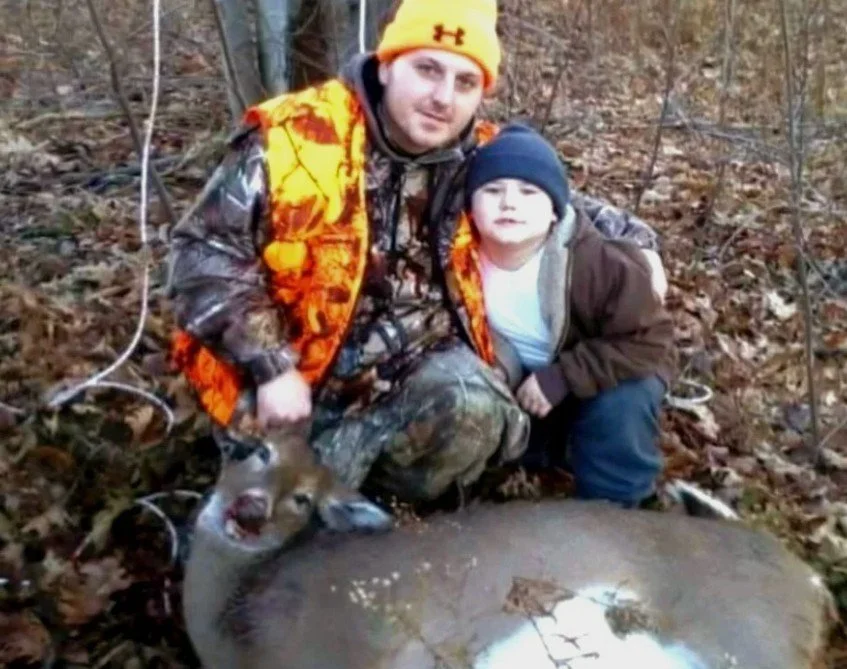
There was something about hunting camp that's difficult to explain to someone who never experienced it. Opening morning started long before daylight with coffee, cold weather, bows and guns being checked, and somebody inevitably looking for something they had misplaced. At the end of the day everyone came back with a story. Where did you see him? How big was he? Which way did he go? How far was the shot? Sometimes the stories grew a little between the woods and the dinner table, but that was part of camp too. At the time none of it seemed particularly special. It was simply what we did every hunting season, and we assumed we'd keep doing it forever.
That's the strange thing about memories. Most of the time you don't recognize the important ones while you're making them. When you're young, you assume the people around you will always be there. You think the camp will always be full and there will always be another opening day. You never stop to consider that there may come a season when a particular person doesn't walk through that door again. Nobody announces when the good old days are happening. You usually don't know they were the good old days until they're gone.
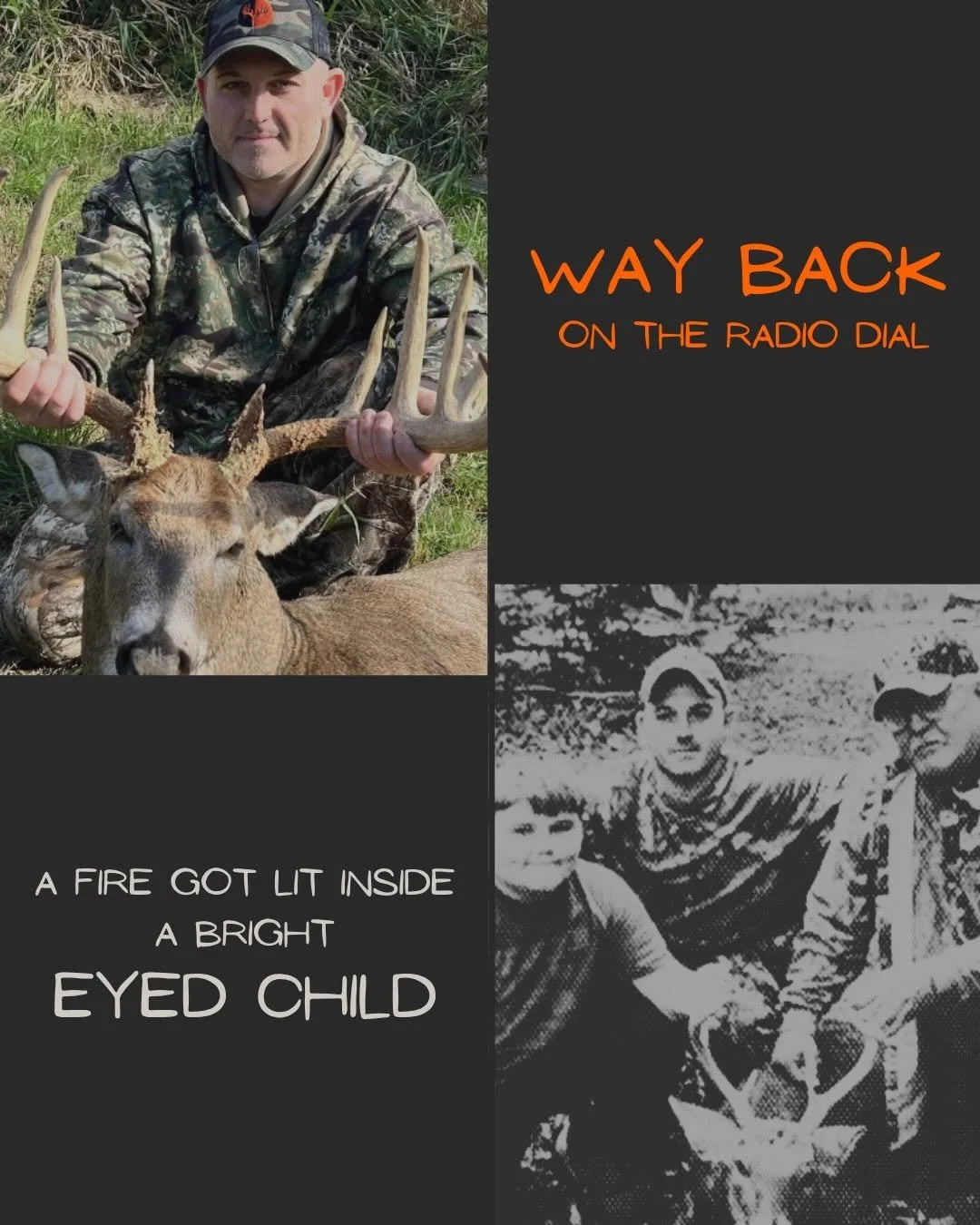
Recently, Fall Obsession started doing a challenge called "Way Back," where hunters share an old hunting photograph alongside a recent one. I started going through some of my old pictures looking for something to submit, and what caught my attention wasn't necessarily the deer. It was everything surrounding them. The clothes looked different. The equipment looked different. The vehicles looked different. I certainly looked different. More importantly, I started noticing the faces standing beside me and remembering where I was in life when those photographs were taken.
Looking at those pictures also reminded me just how much hunting itself has changed in thirty four years. When I first started shooting a bow, there was no release clipped to the string. We shot with our fingers. I didn't have a bow sight with multiple pins carefully dialed in for different distances. In fact, I didn't have a bow sight at all. The tip of the arrow became the reference point. You learned where that arrow needed to appear in relation to the animal, and through repetition you learned how to make the shot.
We didn't consider any of that primitive. That was simply bowhunting. You practiced, learned your equipment, and figured out how to get close enough to make it work. There was no rangefinder giving you an exact distance before the shot. There wasn't an electronic device making decisions for you. There was a deer, a bow, an arrow, and the confidence you'd built by shooting it over and over again.
Trail cameras weren't part of our hunting either. There were no pictures waiting for us in the morning showing which bucks had walked through during the night. There certainly weren't cellular cameras sending a photograph to a phone the instant a deer walked past. Most of us couldn't have imagined something like that. If you wanted to know what was happening in the woods, you had to go into the woods and figure it out.
Tracks mattered. Rubs mattered. Scrapes mattered. You learned where deer crossed a creek because you found their tracks in the mud. You learned where a buck traveled because you found the rub line. You learned the property because you walked it enough times that eventually you didn't need a map. There was a certain amount of mystery involved because we didn't know every deer that lived there. A buck could step into view that nobody had ever seen before, and there was something exciting about that.
I'm not saying hunting was better then. I enjoy much of the technology we have today, and I use plenty of it myself. Modern equipment has allowed hunters to become more efficient and knowledgeable than we could have imagined years ago. We can study satellite imagery from home, monitor deer movement with trail cameras, check the wind before leaving the house, and learn more about a property than we ever could before. Hunting has changed, and in many ways it has changed for the better.
What technology can't replace are the people who were there along the way. That's what I see when I look at those old photographs now. Every hunting camp had its characters. There was always somebody who could turn a ten minute encounter with a deer into a thirty minute story. There was the guy who was always early and the guy everybody knew would be late. There was somebody who didn't say much but somehow seemed to know exactly what was happening in the woods. There was usually somebody who thought every buck he saw was twenty inches wide, and there was always someone ready to remind him that it probably wasn't.
When I was young, I was simply one of the younger guys listening to all of it. I didn't realize how much I was learning by being around those hunters. You listened to how they talked about the woods. You watched how they handled success and failure. You heard about mistakes they'd made years earlier. Sometimes you learned what to do, and occasionally you learned what not to do. Either way, those lessons became part of the hunter you eventually became.
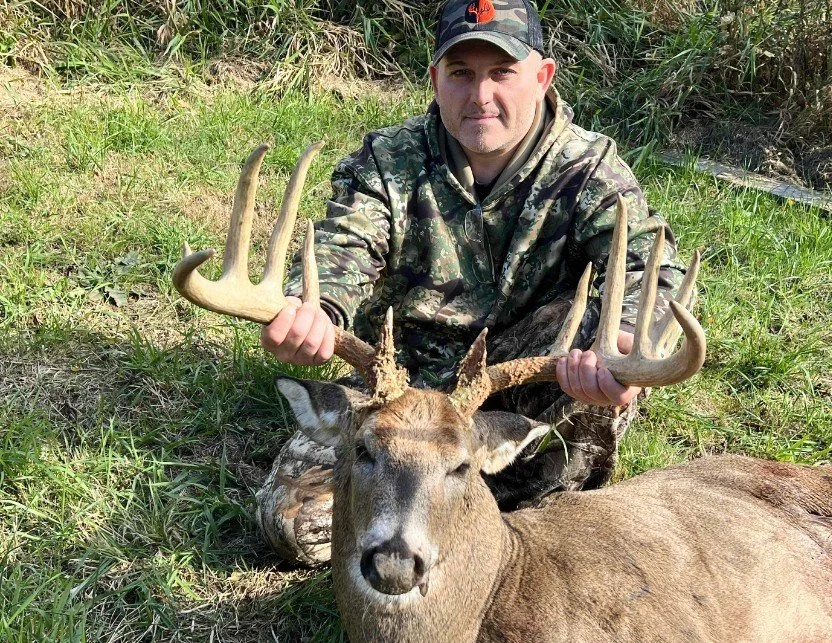
Not all of those lessons happened from a tree stand. Some happened around a table late at night. Others happened while dragging a deer, cleaning one, or standing outside in the cold talking about the next morning. Some of the best conversations had absolutely nothing to do with hunting. That's what made hunting camp different. The deer were the reason everyone showed up, but the people were what made everyone want to come back.
Over thirty four years, life changes. At first, the camp stayed full. Then somebody missed a season. Somebody moved away. Somebody got married or had kids and life simply took them in another direction. Work became more demanding. Some guys got older and couldn't hunt the way they once did. Some lost interest, and over the years, some passed away. Whatever the reason, little by little there were fewer of us coming back each season.
You don't really notice it while it's happening because it doesn't happen all at once. One year there's one less truck outside. A few years later there's another empty chair at the table. There's one less voice telling a story and one less guy asking what everybody saw that morning. Nine or ten hunters become seven. Seven becomes five. Five becomes three. Then one season you look around and realize you're the only one left.
There was never a final hunting season when everybody sat around the table knowing it would be the last time we'd all be there together. That's probably the part that sticks with me the most. You just assume there will be another year. Another opening morning. Another story around the table. Then enough years pass and you realize some of those last times happened without any of us knowing they were the last time.
That realization changes the way you look at an old hunting photograph. The buck in the picture may have been the entire reason the photograph was taken, but years later the antlers aren't necessarily the first thing you see. You notice who was standing beside you. You remember who helped drag the deer. You remember who took the picture and who was waiting back at camp. You remember the jokes, the conversations, and the things that seemed completely insignificant at the time.
As a young hunter, success was much easier to define. You wanted to shoot a deer. Later, you wanted to shoot a bigger deer. You measured antlers and replayed shots in your head. As the years pass, that definition starts to change. The deer still matter and the excitement is still there, but you begin to understand that the hunt was giving you something much bigger all along. It was giving you time with people, and back then none of us were thinking about how valuable that time would eventually become.
Maybe that's the greatest lesson hidden inside those old Way Back photographs. We spend so much of our lives looking ahead that we rarely understand what's happening around us right now. Hunters are especially guilty of it. We're always thinking about the next morning, the next cold front, the next stand, the next buck, or the next season. We're constantly waiting for something to happen without realizing that something already is.
Somewhere right now, a young hunter is sitting around a hunting camp listening to a bunch of older guys tell stories he's already heard a hundred times. He probably thinks those guys will be sitting in those same chairs twenty years from now. I know because there was a time when I thought the same thing. One day he may find an old photograph and realize how young everybody looked. He may remember a truck that's been gone for decades or a person whose voice he hasn't heard in years. The deer in the photograph will still be there, but suddenly it won't be the most important thing in the picture.
That's what thirty four years of hunting has taught me. Equipment comes and goes. The bows I once shot with my fingers eventually gave way to releases. The tip of an arrow gave way to bow sights. Guessing distance gave way to rangefinders. Tracks and rubs were joined by trail cameras, and eventually those cameras began sending photographs directly to our phones. Hunting continued to evolve, and I evolved with it. What hasn't changed is why those memories matter.
When I walk into the woods today, I may physically be hunting alone, but thirty four years of memories have a way of following me. I still remember the guys from those early seasons. I remember the things they taught me, the stories they told, the mistakes we made, the deer we dragged, and the laughs we had along the way. Sometimes a place in the woods can bring back a memory you haven't thought about in twenty years.
Looking at those old photographs made me realize that we were doing something much bigger than hunting deer, even though none of us knew it at the time. We were building a history together. We were creating the photographs we'd someday call old pictures. We were creating stories that would survive long after the equipment became outdated and the camp became quiet.
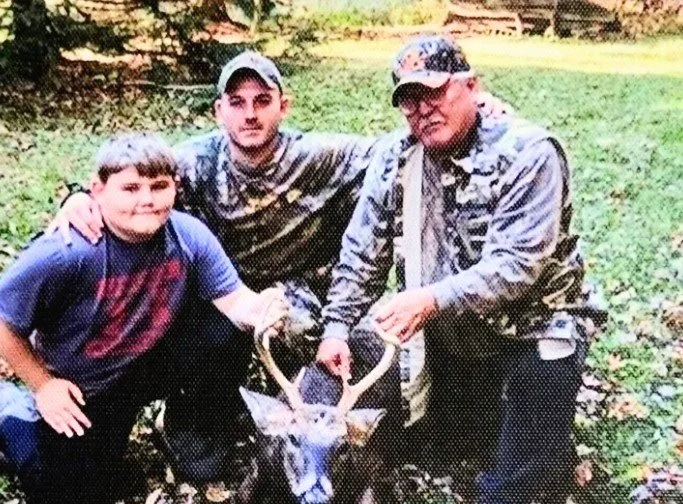
Maybe that's the real meaning of Way Back. It isn't about wishing we could turn back the clock or pretending everything was better years ago. It's about recognizing what hunting gave us along the way and understanding how quickly a lifetime of seasons can pass. It also gives us a reason to look at the people who are beside us today a little differently, because someday they may be the people we're looking for in an old photograph.
Thirty four years ago, I walked into a hunting camp with nine or ten other hunters. Today, I'm the one still walking through that door. The camp is quieter now, the equipment has changed, and so have I. But every time I go back, those years are still there in some way.
Someday, today's hunting pictures will be the Way Back pictures. When that day comes, I doubt the first thing we'll notice will be the bow we were carrying, the technology we were using, or even the size of the buck. We'll look at the people standing beside us and remember the camp, the stories, the laughs, and all those ordinary moments we didn't know were important yet.
And if we're lucky enough to have had those people and those years, we'll probably wish we could all go hunting together one more time.